
Gender Equality & Social Inclusion (GESI)
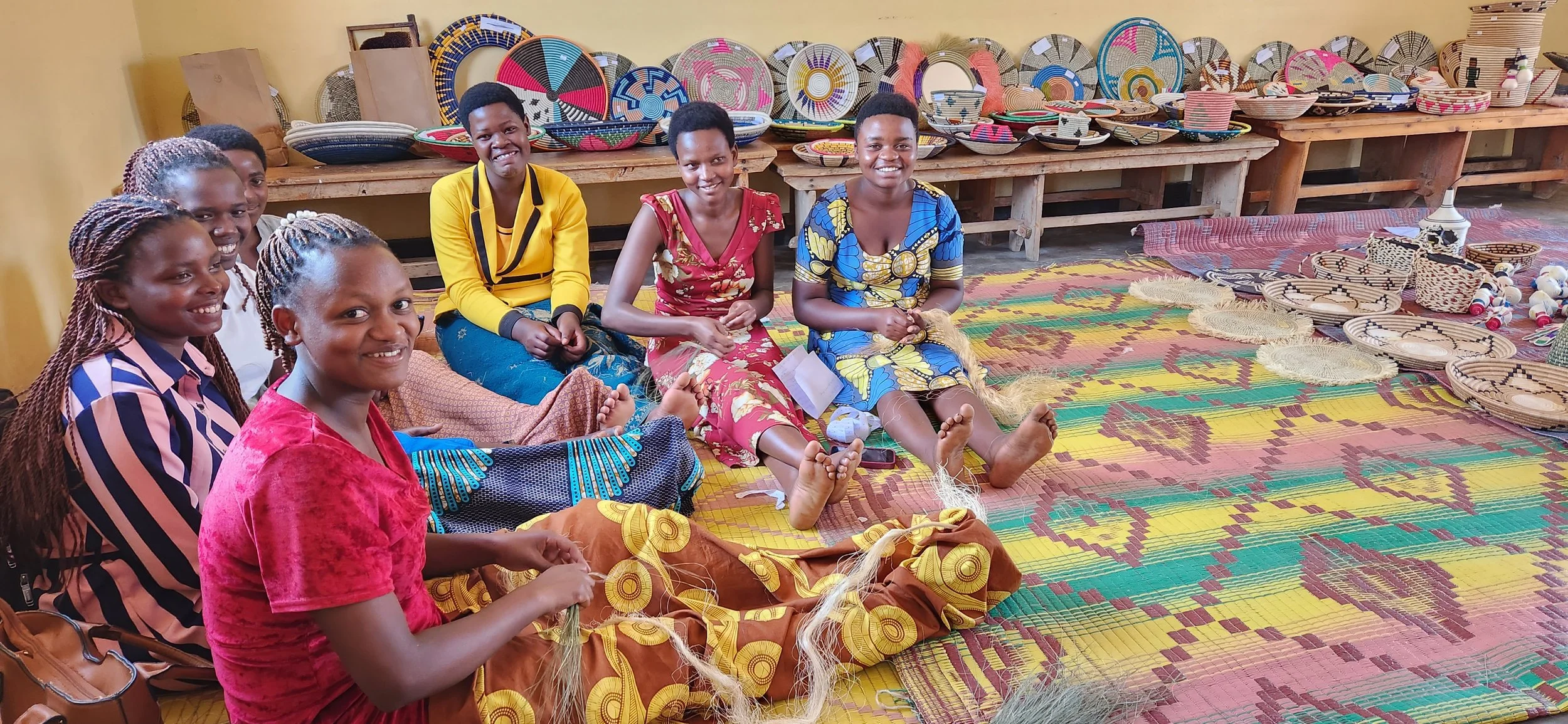
Zoe Rwanda Terimbere recognizes that poverty and vulnerability are deeply connected to patterns of exclusion. Our Gender Equality and Social Inclusion (GESI) approach ensures that all vulnerable youth and other vulnerable people we serve can participate, be safe, and benefit fairly from our work. We pay close attention to how gender, age, disability, poverty, family status, and social stigma interact to shape people’s opportunities and risks, so that those most at the margins are intentionally brought to the centre of our interventions.
Our GESI Vision and Understanding
Our vision is of communities where every person, especially vulnerable youth, is valued, listened to and able to shape their own future. For us, gender equality means that women, men, girls and boys have equal rights, responsibilities and opportunities, and that relationships between them are based on fairness, respect and shared decision-making rather than on control or discrimination. Social inclusion means recognising that some groups are pushed to the edges of community life, because of poverty, disability, age, family background or social norms, and deliberately removing the barriers that prevent them from accessing services, exercising their rights and contributing their skills.
In practice, this means we do not look at gender in isolation. We understand that a young person or vulnerable people may be disadvantaged not only because they are female or male, but also because they are very poor, live with a disability, lack family support, or belong to a stigmatized group. Our GESI lens therefore, directs us to analyse the combined effects of these factors, and to design responses that are sensitive to different needs and realities rather than assuming that “one size fits all” for all youth.
How GESI is Applied in our Work
We integrate GESI from the very beginning of our work, starting with how we identify and reach participants. Instead of relying only on those who are most visible or vocal, we deliberately seek out vulnerable youth and other vulnerable people who are often hidden, such as youth without parental care, youth-headed households, those living in families with disabilities, or young people experiencing rejection or stigma. We work with local structures and community actors to understand where exclusion is happening and to make sure that those who are most likely to be left out are invited and encouraged to join our groups and activities.
Once people are engaged, we organise them into groups that serve as safe spaces for mutual support, learning and decision-making. Each group brings together vulnerable youth and other vulnerable people from different backgrounds, so that no one faces their situation alone, and members can build confidence, social networks and a sense of belonging. From the beginning, we encourage respect, shared responsibility and non-discrimination so that everyone can participate with equal opportunities.
Within every group, members elect their own committee, typically including roles such as chairperson, secretary and treasurer. This process is guided to promote inclusive leadership, encouraging both females and males, to take on responsibilities. Group leaders are supported to run meetings in a fair and transparent way, listen to all members, and ensure that decisions, information and resources are shared openly. In this way, the group structure itself becomes a practical example of gender equality and social inclusion in action.
Creating safe, accessible and dignified spaces is central to our GESI practice. We carefully consider the timing, location and format of activities so that people with different responsibilities or mobility constraints can attend. We promote a culture of respect, confidentiality and non-judgment, where participants can share their experiences without fear of ridicule or retaliation. Clear protection and referral procedures are established so that concerns about abuse, exploitation or violence can be reported and addressed promptly and safely. Through group processes, mentoring and peer support, we also work to rebuild confidence, social connections and a sense of belonging among those who have experienced exclusion.
To ensure that our intentions translate into real change, we use data, learning and accountability as key parts of our GESI approach. We monitor who is participating in and benefiting from our activities by looking at differences across sex, age and other relevant characteristics, instead of only counting total numbers. When we see gaps, such as a group of participants who are not joining or not progressing, we use this information to adjust our approaches, adapt our strategies and remove additional barriers. Feedback from participants is actively encouraged through regular discussions and accessible channels, and it is used to refine our work so that our programme remains responsive to those with the greatest needs.
Organizational Commitment to GESI
Inside Zoe Rwanda Terimbere, we strive to embody the same values of equity, respect and inclusion that we promote in communities. We uphold strong standards on safeguarding and non-discrimination for staff, volunteers and partners, and we promote a working environment where everyone is treated with dignity and where abuse of power is not tolerated. Our policies and procedures reflect our commitment to protecting children, youth and vulnerable adults, and to ensuring that all interactions are guided by integrity and accountability.
We also invest in building the capacity of our team to understand and apply GESI in a practical way. This includes ongoing learning on gender equality concepts, social inclusion, unconscious bias, disability inclusion and gender-based violence, as well as how to integrate these considerations into planning, implementation, monitoring and decision-making. By strengthening our own systems and practices, we aim to ensure that GESI is not an isolated concept or a one-time activity, but a consistent and visible thread that runs through everything ZOE Rwanda Terimbere does with and for vulnerable youth and other vulnerable people.